Get Fit for AI – Devolve Your Tech Teams into the Business
Is my delivery team in the right place in my organisation? Is there a better place?

Is my delivery team in the right place in my organisation? Is there a better place?

Many organisations remain dependent on aging legacy systems, but as skilled talent retires and costs rise, these outdated platforms increasingly hinder innovation, agility, and long-term competitiveness without a clear modernisation strategy.
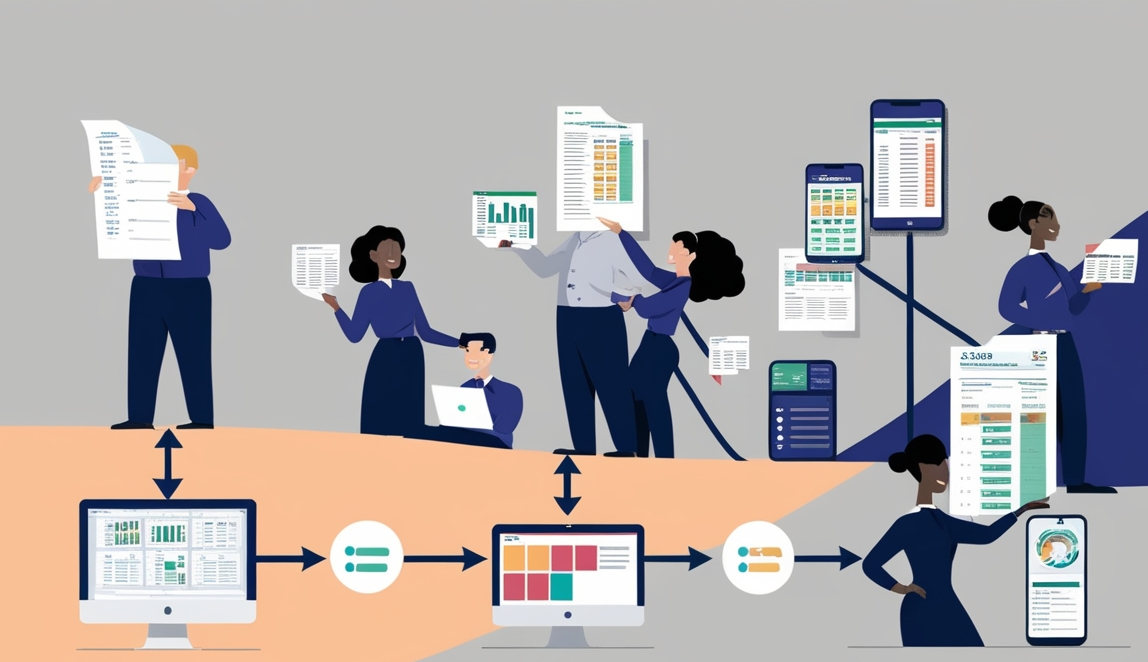
Have underwriters been left behind in the digital revolution? While operations teams get shiny tools and dashboards, many Specialty underwriters are still buried in emails, spreadsheets, and manual slips. Even pricing tools are stuck in Excel. Is there a way out?
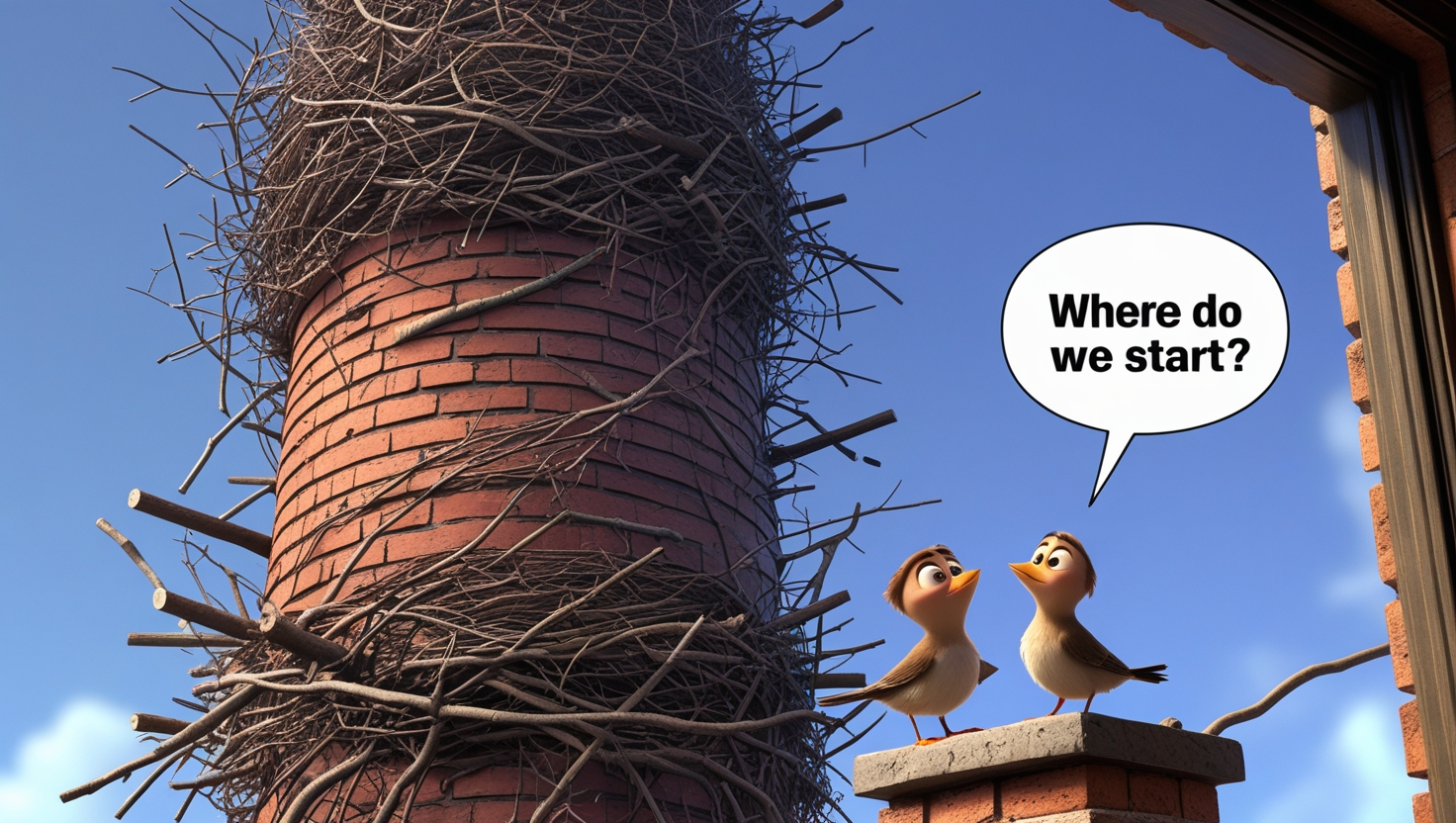
Years of inaction have made the transition from legacy systems increasingly complex and costly, with high resource demands and uncertain budgets. Despite these challenges, organizations must take the first step any step to begin moving forward, as continued delay only worsens the situation.

Retiring legacy platforms needs a new way of thinking. John explains how to break out of old habits.

While experimentation is often delegated to product or delivery teams, its success is heavily influenced by how leaders model, support and participate in experimentation themselves. Without leadership practicing what they preach, experimentation culture remains surface-level.

High-performing teams thrive not by sticking to rigid roles, but by embracing five key mindsets: Creative, Cynic, Pragmatist, Implementor, and Destroyer, allowing people to experiment, adapt, and contribute where they’re most effective.

Over a year ago we published an article considering the balance between the threat and opportunity presented by AI. Have things moved on?
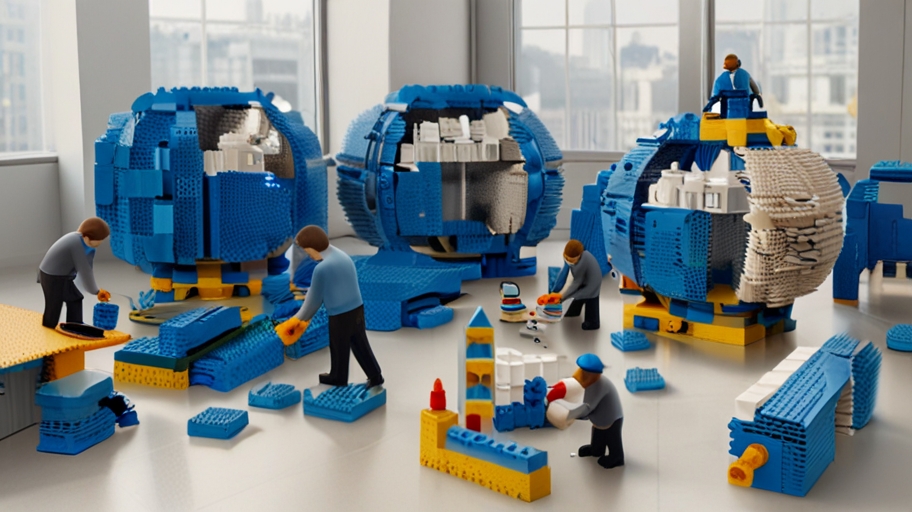
Most teams do not experiment because they have unlearned how to do it, and lack the corporate support. To change that, organizations need to rebuild the conditions for experimentation: unlearn rigid habits, protect space for play and provide the tools and trust required to explore.

Find out more about our popular project assessments